Any garden can grow the plant. Only Nagaland grows Naga Mircha.
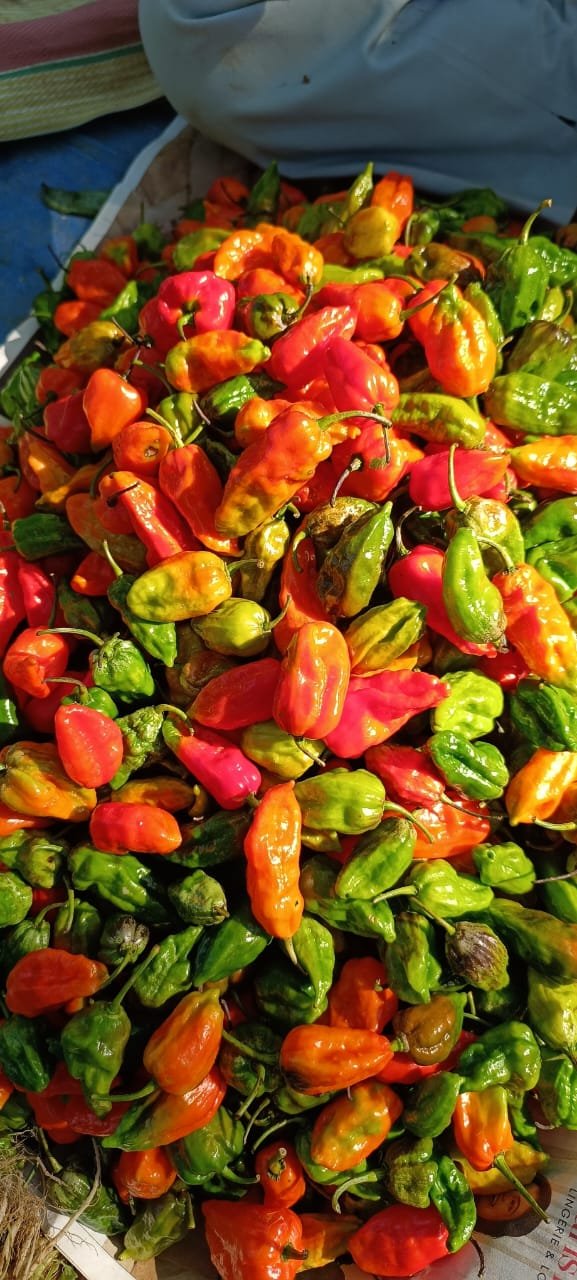

Naga king chilli, known locally as Raja Mircha, became Nagaland's first GI-tagged product in 2008. It is famous for its heat, rated at around a million Scoville units, and for a smoky, fruity flavour that chilli lovers go looking for. In 2021, fresh king chillies from Nagaland were flown to London as an export consignment for the first time.
That reputation is worth money. And there is one simple fact that makes it hard to protect.
The seed doesn't know where it is
King chilli grows from seed, and the seeds are easy to get. They are sold online and swapped between growers, and the plant will grow in a field in another state or in a pot on a balcony in Bengaluru. Closely related chillies are already grown across the Northeast under other names. In Assam, for example, it is sold as bhut jolokia.
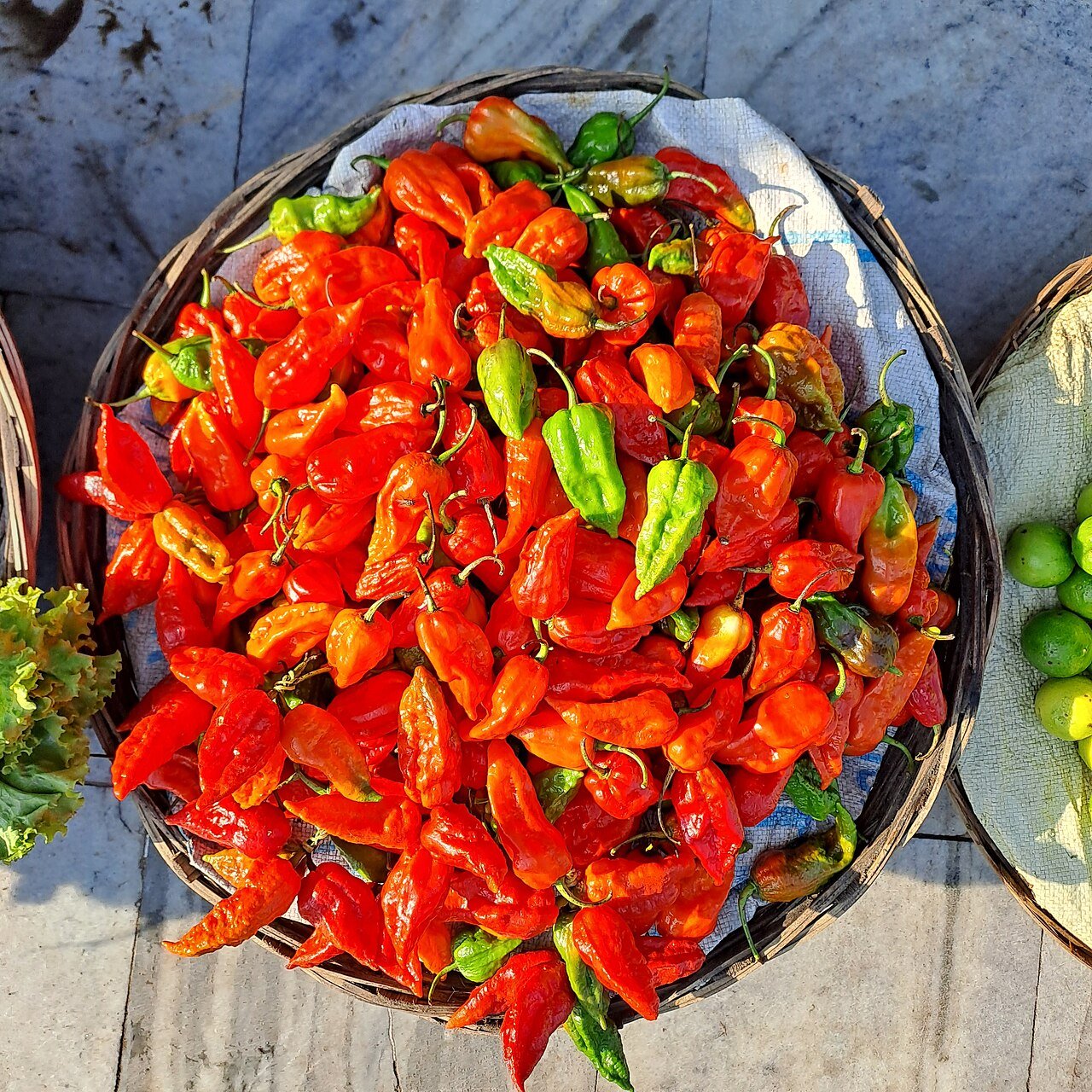

None of that is wrong. Growing a chilli is not a crime. The problem starts when chilli grown somewhere else is sold under the name Naga king chilli.
What the GI actually protects
A geographical indication is not a patent on a plant. It protects a name for produce from a particular place, made in the way that place is known for. The Naga Mircha GI covers chilli grown in Nagaland, by Nagaland's growers, in its soil, climate and altitude. Those conditions are part of what buyers are paying for, and they are what the tag is meant to guarantee.
The same seed planted somewhere else gives you the same species. It doesn't give you a GI product.
The trouble is that you usually can't tell the difference by looking. A fresh chilli from Nagaland and one grown from the same seed elsewhere can look alike, and once they are dried, flaked, powdered or cooked into a sauce, any difference is gone. The tag on the label is only as good as the paperwork behind it.
What exporters and buyers should ask for
If you import Naga king chilli, whether fresh, dried or as an ingredient for sauces, the only reliable answer is a record that starts where the chilli was grown and follows it to you:
- the village or farm in Nagaland and the grower or cooperative behind it
- when it was harvested and how much was collected
- each step after that, from drying and processing to every trader who held it
That is the kind of record we build at TraceGI. It is captured at the collection point, added to by everyone who handles the lot, and opened by the buyer with a QR code. A buyer paying a premium for Naga king chilli should be able to see that it was grown in Nagaland, not just read it on a sticker.
What a traceable lot gets you as a buyer
- Pay the premium only for the real thing. See that the chilli was grown in Nagaland before you pay GI prices for it.
- A selling point on your shelf. Your customers can scan a pack and see the village and harvest behind it.
- Fewer arguments with suppliers. Every handoff is on the record, so questions about where a lot came from have an answer.
- Easier supplier choice. Shortlist the exporters who can show origin, not just claim it.
For exporters, that record is the difference between selling a GI product and selling a chilli. For growers in Nagaland, it is protection. It means competing on their own name, not with everyone who has bought a packet of seeds.