What is actually in the cup? Why tea needs traceability
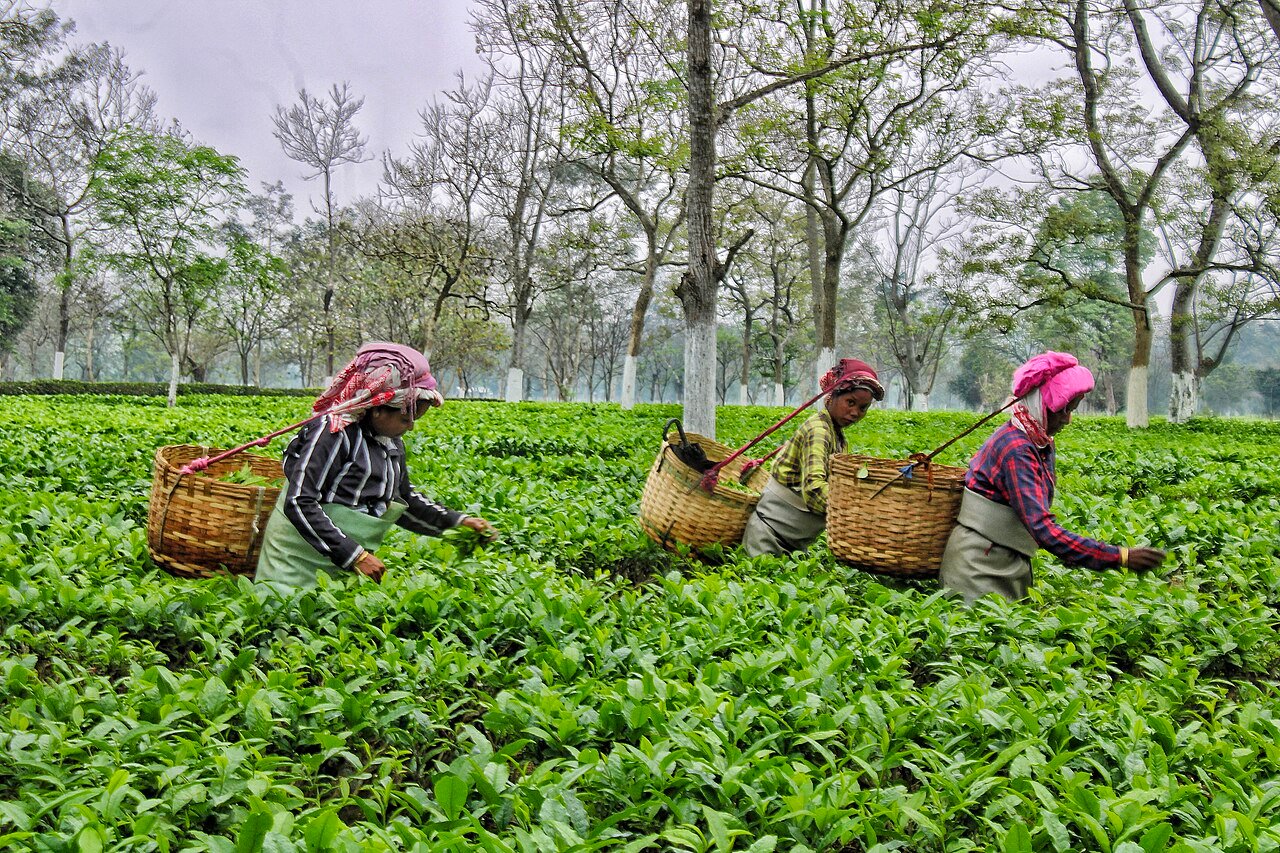

Tea goes through more hands than almost any other crop before it reaches a cup. Leaf is plucked in a garden, processed in a factory, sold at auction or privately, blended, packed and often shipped across the world. Blending is normal and a big part of what makes a good brand. But it also means that by the time a packet reaches the shelf, very few people can say where the tea in it actually came from.
For a long time that didn't seem to matter much. For exporters and importers it matters now, for three reasons.
1. Names are being borrowed
Darjeeling is the classic example. It was India's first GI, and only tea from the registered gardens of the Darjeeling hills may legally carry the name. Yet for years the industry has quoted a figure of about 10,000 tonnes produced a year against roughly 40,000 tonnes sold around the world as Darjeeling. Nobody has an audited number, but nobody in the trade thinks the gap is small. Reporters have also documented cheaper tea from across the border being blended and sold on as Himalayan or long-leaf tea.
Assam faces the same pressure. When a name earns a premium, there will always be someone tempted to put it on tea that didn't earn it.
2. Not everything in the packet is tea
Food safety officials in India have found low-grade tea dust mixed with colouring agents, which gives a darker, stronger-looking brew from poorer leaf. It is not the norm, but it happens, and a buyer can't spot it from the packet.
3. Residue rules differ by market
Pesticide limits are not the same everywhere. In 2024, Poland raised an alert through the EU's food safety system on Indian black tea containing fenobucarb at 0.064 mg/kg. The EU limit is 0.01 mg/kg. In March 2024 FSSAI expanded the list of pesticides banned in tea cultivation in India. A consignment can be perfectly legal in one market and be turned away at the border of another.
When a residue problem turns up, the first question is always the same: which garden, which batch, which spray? Without a record, the answer is usually a shrug, and the whole consignment pays the price.
What traceability looks like for tea
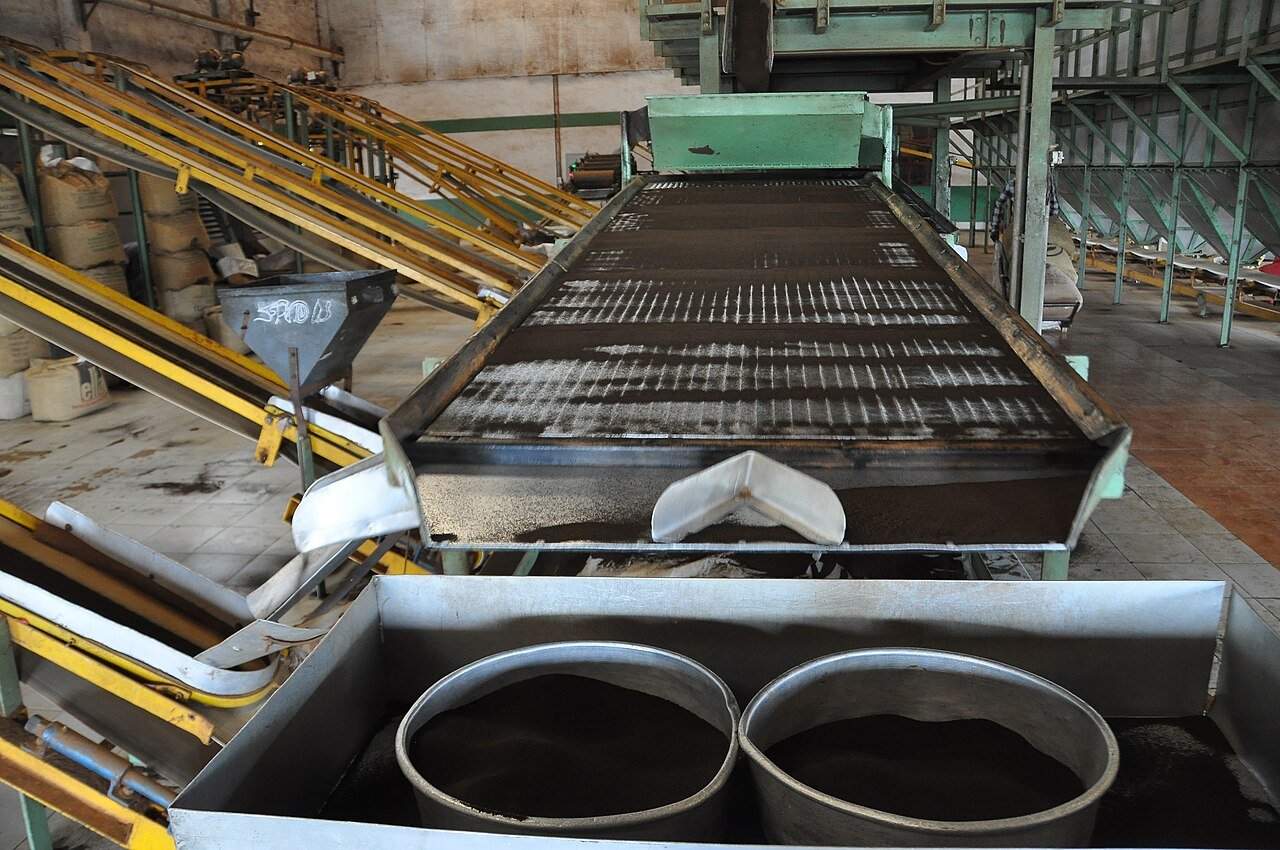

It doesn't mean stopping blending or adding paperwork for its own sake. It means each lot keeps its own history:
- the garden and the day the leaf was plucked
- each factory step, from withering and rolling to oxidation, drying and sorting, with the weights going in and coming out
- every sale, export and receipt, with who held the tea at each point
- test results attached to the lot they were done on
We built TraceGI so that this history travels with the tea. Each lot carries a record that the people handling it add to, and an importer, a retailer or the person holding the cup can open it by scanning a QR code. It is the difference between telling a buyer a tea is single-estate Assam and being able to show them.
For an exporter, that history is what you show a buyer before they commit to a shipment. For an importer, it is what lets you deal with one batch instead of a whole consignment when something goes wrong.
What a traceable lot gets you as a buyer
- Know what you are buying before you commit. See the garden, the plucking date and each factory step for the lot on offer.
- Deal with one lot, not a whole consignment. If a residue limit is exceeded in your market, the record shows which lot and which garden it came from.
- Back your single-estate and origin claims. Your blend or your label can point to the lots behind it.
- Records ready for EU, US and Japanese rules. Each step back and forward is already written down for your compliance team.
Good tea already has a story. Buyers are starting to ask to see it.